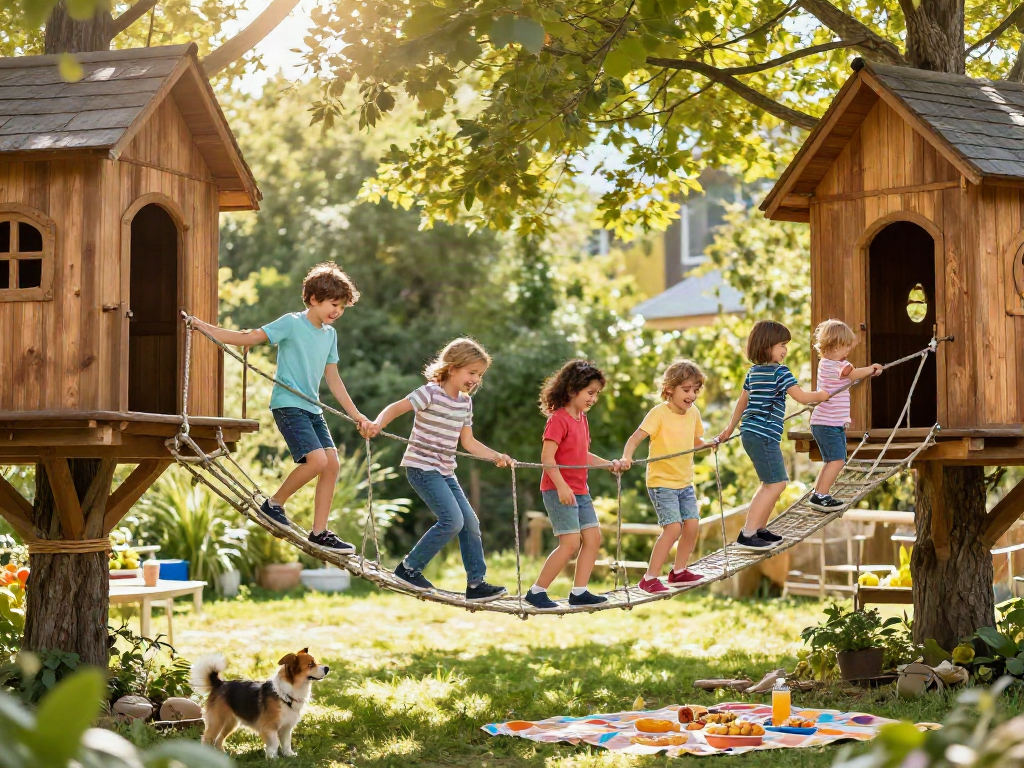
Understanding Rope Bridges
Rope bridges are a captivating blend of functionality and adventure, often evoking thoughts of childhood play and exploration. These structures are not just mere crossings; they have become essential features in various outdoor environments, ranging from playgrounds to hiking trails and even in residential backyards. When exploring options, Rope Bridge designs offer a unique solution that promotes physical activity while providing an exhilarating experience for children and adults alike.
What is a Rope Bridge?
A rope bridge, commonly known as a suspension bridge, is a type of bridge that uses ropes or cables to support the deck. This design allows the bridge to span gaps between two points, offering a flexible and dynamic crossing experience. Typically constructed with sturdy materials, these bridges can accommodate various loads and are often used in both recreational and practical applications. Their appeal lies not only in their utility but also in the sense of adventure they inspire.
The Anatomy of a Rope Bridge
A rope bridge consists of several key components that work together to create a safe and enjoyable crossing. These include:
- Support Cables: Typically made from high-strength materials like nylon or polyester, these cables bear the weight of the bridge and its users.
- Decking: The surface of the bridge, usually constructed from wooden planks or mesh, provides a walkway for users.
- Anchor Points: These secure the bridge ends to solid structures, ensuring stability and safety.
- Safety Railings: Installed along the sides, these prevent users from falling off the bridge.
Common Uses for Rope Bridges in Play Areas
Rope bridges have found their way into various play areas, offering exciting features that encourage creative play. They are commonly used in:
- Treehouses: Connecting two platforms, rope bridges enhance the treehouse experience, allowing children to traverse between structures safely.
- Playgrounds: Incorporating rope bridges in playgrounds promotes physical activity, helping children develop balance and coordination.
- Adventure Courses: Many outdoor adventure parks feature rope bridges as part of obstacle courses, giving participants a thrill while engaging in physical challenges.
Benefits of Rope Bridges for Kids
Rope bridges offer numerous advantages for children, making them a popular choice for play areas and learning environments. They not only provide entertainment but also facilitate growth in various aspects of a child's development.
Enhancing Physical Skills through Play
Engaging on a rope bridge challenges children to improve their motor skills. Climbing, balancing, and navigating the bridge helps develop core strength, agility, and coordination, laying a foundation for physical fitness.
Encouraging Teamwork and Social Interaction
Rope bridges often require collaboration and communication. Kids learn to work together, whether crossing the bridge as a team or taking turns, promoting social skills and empathy.
Creating a Sense of Adventure and Exploration
The thrill of crossing a rope bridge fosters a sense of adventure. It encourages children to explore their environment while nurturing their curiosity and desire to engage in outdoor activities.
Choosing the Right Rope Bridge
Selecting the ideal rope bridge for your outdoor space involves considering various factors to ensure safety and enjoyment for all users.
Materials and Safety Considerations
When choosing a rope bridge, the materials used are paramount. Look for bridges made from weather-resistant materials such as:
- High-quality nylon or polyester ropes: These provide durability and resistance to wear and tear.
- Pressure-treated wood: Used for decking, it ensures longevity and safety against rot and insects.
Safety is the utmost priority; thus, always check for safety certifications and adhere to guidelines specific to children's play areas.
Size and Design Options for Different Age Groups
Rope bridges come in various sizes and designs, catering to different age ranges. For younger children, bridges with lower heights and wider decks offer a safer experience, while older children may enjoy more challenging configurations. Always consider the age and skill level of the intended users when selecting a bridge.
Customising Your Rope Bridge for Unique Play Experiences
Customization allows you to create a unique play structure that fits your specific needs. You can incorporate elements like:
- Multicoloured ropes: Adds visual interest and enhances the play environment.
- Interactive features: Such as tunnels or slides attached to the bridge.
This personalization not only enhances play but also encourages imaginative adventures.
Installation and Maintenance
To ensure a safe and enjoyable experience, proper installation and ongoing maintenance are crucial. Here's how to effectively manage these tasks.
Step-by-Step Guide to Setting Up Your Rope Bridge
1. Choose a Suitable Location: Select a flat area with suitable anchor points.
2. Gather Materials: Ensure you have all necessary materials, including ropes, decking, and anchors.
3. Build the Framework: Start by anchoring the ends securely before creating the deck.
4. Install Safety Features: Ensure that railings and safety measures are in place.
5. Conduct Final Checks: Before allowing children to use the bridge, double-check all components for stability and safety.
Regular Safety Inspections and Maintenance Tips
Conduct regular inspections to ensure the integrity of the bridge. Check for:
- Wear and tear on ropes and decking.
- Stability of anchor points.
- Overall cleanliness to prevent accidents.
Routine maintenance is essential for ensuring that the bridge remains safe for use over time.
How to Ensure Long-Lasting Durability
To keep your rope bridge in excellent condition, consider the following tips:
- Weatherproofing: Apply protective coatings to wooden parts to prevent rot and damage from moisture.
- Regular Cleaning: Keep the bridge free from debris and dirt to avoid slippery conditions.
By taking proactive measures, you can extend the lifespan of your rope bridge.
Future Trends in Outdoor Play Structures
The landscape of outdoor play structures is evolving, with new trends emerging that integrate play with innovation and sustainability.
Innovative Designs for 2026 and Beyond
Expect to see designs that prioritise community interaction and experience, incorporating elements that are not only fun but educational.
Integrating Technology into Outdoor Play
Advancements in technology are influencing play structures, with interactive elements like augmented reality experiences becoming more prevalent. These features can enhance the adventure of crossing a rope bridge.
Environmental Considerations and Sustainable Materials
As environmental consciousness grows, so does the use of sustainable materials in construction. Future rope bridges may use eco-friendly resources that minimize environmental impact while providing safe play solutions.
What is the best age for kids to use a rope bridge?
Typically, children aged 4 and above can safely use a rope bridge, provided that appropriate size and safety measures are in place.
How safe are rope bridges for children?
When constructed and maintained properly, rope bridges can be very safe for children. Always supervise play to ensure safety guidelines are followed.
Can I build a rope bridge in my backyard?
Yes, many parents choose to build rope bridges in their backyards. Ensure you follow local guidelines and safety standards for play structures.
What materials are best for constructing a rope bridge?
The best materials include high-strength ropes, pressure-treated wood, and weather-resistant accessories that ensure longevity and safety.
How to make rope bridge play more educational?
Incorporate learning elements such as balance exercises, mapping activities, or themed adventures to enhance educational value during play.