Understanding GRP Manufacturing: Basics and Benefits
Glass Reinforced Plastic (GRP) has become an indispensable material across various industries due to its exceptional properties, including lightweight, durability, and resistance to corrosion. As a leading GRP Manufacturer in the UK, Engineered Composites has dedicated over 40 years to perfecting the manufacturing and supply of GRP products. This article delves into the basics of GRP, the benefits of choosing a GRP manufacturer, and the diverse applications of GRP in modern industries.
What is GRP and Why Choose a GRP Manufacturer?
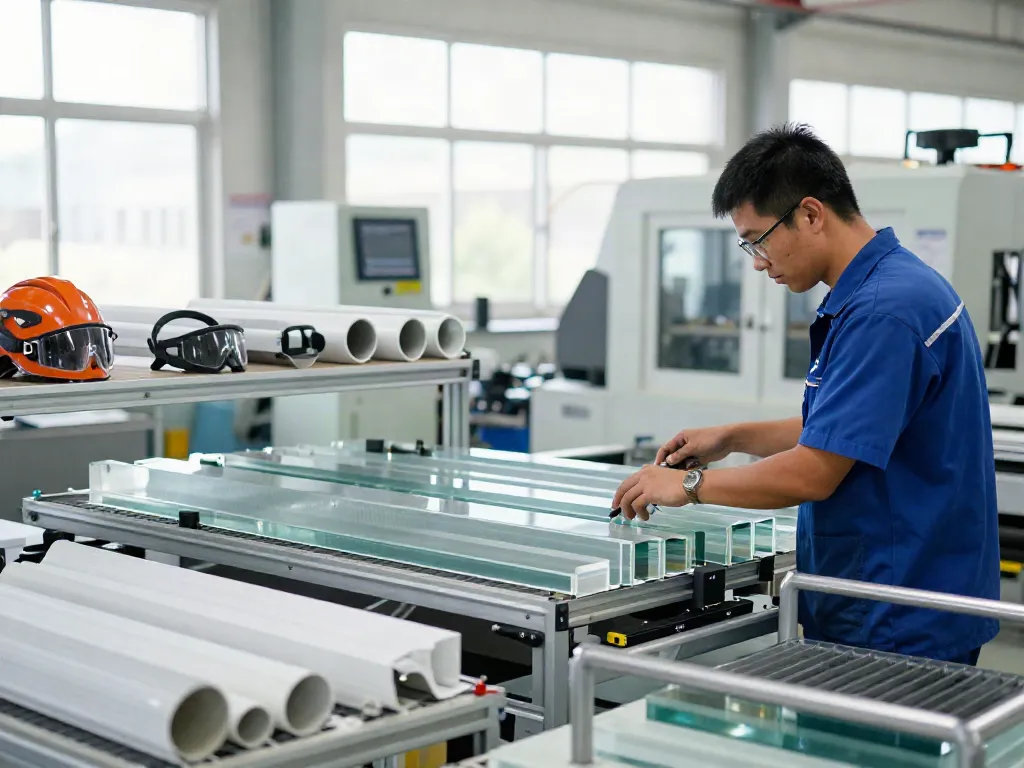
GRP, or Glass Reinforced Plastic, is a composite material made from a polymer matrix reinforced with glass fibers. This combination gives GRP its remarkable strength-to-weight ratio, making it significantly lighter than traditional materials such as steel or aluminum, while maintaining impressive mechanical properties. The decision to partner with a reputable GRP manufacturer ensures access to high-quality materials that meet industry standards, supported by expertise and innovation.
Key Advantages of Using GRP Products
- Lightweight: GRP is approximately 70% lighter than steel, making transportation and installation more efficient.
- Corrosion Resistance: GRP is inherently resistant to rust and corrosion, particularly in harsh or marine environments.
- Low Maintenance: GRP products require minimal upkeep, reducing long-term operational costs.
- Versatility: GRP can be molded into various shapes and sizes, allowing for tailored solutions across multiple applications.
- Safety: GRP is non-conductive, making it safe for electrical installations, and has excellent fire resistance properties.
Applications of GRP in Various Industries
The versatility of GRP makes it suitable for a wide range of applications across diverse sectors, including:
- Construction: Used for structural components, flooring, and wall panels.
- Marine: Ideal for boat hulls, decks, and other marine fixtures.
- Utilities: Employed in water treatment plants and electrical grids.
- Transport: Utilized in railway platforms and access solutions.
Quality Assurance in GRP Manufacturing
Quality is paramount in GRP manufacturing. To maintain high standards, reputable manufacturers adhere to rigorous testing and quality management protocols.
Standards and Certifications for GRP Products
Engineered Composites operates under an ISO 9001-certified quality management system, ensuring that all products meet or exceed the BS EN 13706 performance standards. These certifications guarantee the reliability and safety of GRP products in various applications.
How GRP Manufacturers Ensure Consistent Quality
Quality assurance processes include the selection of certified raw materials, continuous monitoring during production, and final product testing. Manufacturers like Engineered Composites utilize advanced resin systems and glass fiber reinforcements to achieve the desired performance characteristics.
Internal Testing Procedures and Compliance
Internal testing procedures involve assessing fire resistance, tensile strength, and dimensional accuracy. Compliance with relevant UK and international standards ensures that every product is fit for purpose and safe for use in demanding environments.
Comparing GRP to Traditional Materials
GRP vs Steel: Performance and Cost Benefits
The comparison between GRP and traditional materials such as steel reveals significant advantages. GRP's resistance to corrosion eliminates the need for protective coatings, reducing lifecycle costs. Additionally, its lightweight nature means structures can be designed with less support, further decreasing material use and costs.
Why GRP is Ideal for Structural Applications
GRP's impressive load-bearing capabilities, coupled with its compliance to structural performance standards, make it an excellent choice for various structural applications. Products such as GRP beams and channels can replace traditional materials in many applications while offering superior durability.
Durability and Maintenance Considerations
With a service life that exceeds 50 years, GRP requires minimal maintenance, which is a crucial factor for industries focused on reducing operational expenses. Regular inspections and occasional cleaning are usually sufficient to maintain GRP products in optimal condition.
Cutting and Drilling GRP: Practical Insights
Can GRP be Cut or Drilled On-Site?
Yes, GRP products can be easily cut or drilled on-site using standard diamond-tipped tools, allowing for flexibility during installation. This adaptability ensures that contractors can make precise adjustments as needed without extensive delays.
Recommended Tools and Techniques
- Diamond-Tipped Saw Blades: Ideal for cutting GRP with precision.
- Drilling Equipment: Standard drills outfitted with appropriate bits can be used for creating holes.
Managing Waste and Enhancing Installation Efficiency
Efficient waste management practices during GRP installation include recycling offcuts where possible and ensuring that waste is minimized during the cutting process. This contributes to both environmental sustainability and cost-effectiveness.
The Future of GRP Manufacturing: Trends for 2026 and Beyond
Sustainability Practices in GRP Production
As industries increasingly prioritize sustainability, GRP manufacturers are adopting practices that minimize environmental impact. This includes using recycled materials in production and optimizing energy consumption.
Emerging Technologies and Innovations
Innovations in GRP manufacturing are continually evolving, with advancements in composite materials, production techniques, and quality control technology. These enhancements aim to further improve product performance and reduce costs.
Regulatory Changes Impacting GRP Manufacturers
Manufacturers must stay informed about regulatory changes that affect GRP production and application. Adhering to evolving building codes and safety regulations is essential to maintaining compliance and ensuring product acceptance in the market.
What are the main advantages of GRP over steel and aluminium?
GRP offers several key advantages compared to steel and aluminum, including its lightweight nature, corrosion resistance, and lower maintenance requirements. These factors contribute to reduced total lifecycle costs and enhanced efficiency in projects utilizing GRP materials.
Are GRP products suitable for outdoor use?
Absolutely. GRP products are designed to withstand harsh outdoor environments, making them ideal for applications in marine, construction, and utility sectors. Their UV stabilization and chemical resistance ensure long-lasting performance in all weather conditions.
How do I get a quotation today?
To obtain a quotation from Engineered Composites, simply contact our technical sales team via phone or our online enquiry form. We provide fast, no-obligation quotes tailored to your specific GRP needs.