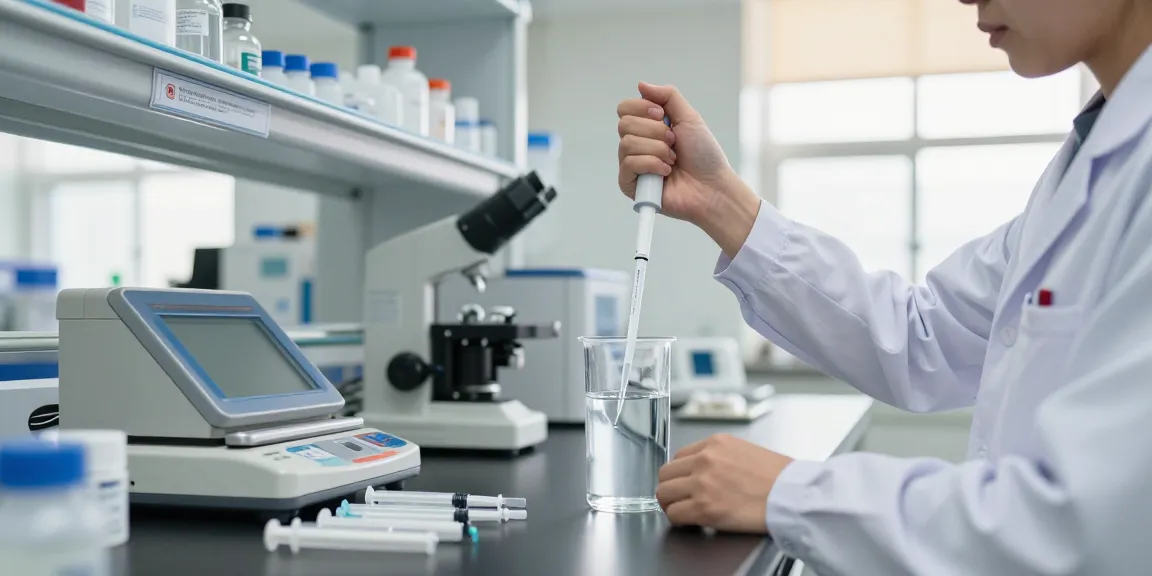
Understanding Sterile Water for Injection
Sterile water for injection (SWFI) is an essential component in the medical and pharmaceutical industries, serving as a solvent and diluent for various medications. Its purity and sterility are paramount, as it is used to prepare injectable drugs that enter directly into the bloodstream. The importance of SWFI cannot be overstated, given its critical role in patient care and medical procedures. When exploring options, sterile water for injection provides comprehensive insights into its uses and regulatory compliance, which are crucial for healthcare professionals.
1. Definition and Importance of Sterile Water for Injection
Sterile water for injection is defined as water that has been purified, filtered, and sterilized to meet specific pharmaceutical standards. It is devoid of any additives, making it an ideal medium for dissolving or diluting drugs prior to administration. The necessity of using sterile water arises from the risk of infection or adverse reactions when non-sterile substances are introduced into the body. Therefore, the sterilization process and maintaining a sterile environment during its production and handling are critical.
2. Key Applications in Medical Practices
The applications of sterile water for injection are diverse and vital in medical settings. It is primarily used for:
- Preparing injectable medications: SWFI is commonly used as a solvent for various injectable drugs.
- Reconstituting lyophilized powders: Many antibiotics and vaccines are provided in powder form and require dilution before administration.
- Infusion therapies: It is used in diluting IV solutions, ensuring proper medication delivery to patients.
- Laboratory purposes: Sterile water may be utilized in laboratory settings for preparing cultures or other sterile procedures.
3. Regulatory Standards and Safety Protocols
Regulatory bodies such as the U.S. Food and Drug Administration (FDA) and the European Medicines Agency (EMA) have stringent guidelines governing the production and handling of sterile water. Compliance with these standards ensures that SWFI products are safe and effective for patient use. Routine inspections, quality testing, and documentation practices are essential to uphold these regulations.
Production and Quality Control
1. Manufacturing Processes for Sterile Water
The manufacturing process for sterile water involves several critical steps, including:
- Purification: Water undergoes rigorous purification processes such as reverse osmosis and distillation to eliminate impurities and contaminants.
- Filtration: After purification, the water is filtered through micro-filters to remove any remaining particulate matter.
- Sterilization: The sterile water is then sterilized using methods like autoclaving or sterilizing filtration to ensure it is devoid of microorganisms.
- Packaging: SWFI is packaged in sterile containers to maintain its sterility until use, often under an aseptic environment.
2. Quality Assurance Measures
Quality assurance is a critical component in the production of sterile water. Manufacturers implement rigorous testing protocols to ensure compliance with pharmacopoeial standards, including:
- Endotoxin testing: To verify that the water is free from bacterial endotoxins, which can cause serious adverse reactions in patients.
- Sterility testing: Regular sterility tests are conducted to confirm that the product remains uncontaminated throughout its shelf life.
- pH and conductivity testing: These parameters are monitored to ensure the water’s quality is maintained in accordance with standards.
3. Common Contaminants and Risks
Contamination of sterile water can lead to severe health risks. Common contaminants include:
- Bacteria and fungi: Any presence can lead to serious infections in patients receiving injections.
- Endotoxins: These toxic substances from bacteria can cause fever and shock if introduced into the bloodstream.
- Chemical contaminants: Residual chemicals or impurities can lead to adverse drug reactions.
Usage Guidelines for Healthcare Professionals
1. Proper Administration Techniques
Healthcare professionals must adhere to proper administration techniques when using sterile water. This includes:
- Using aseptic techniques: Ensuring that all procedures are performed in a clean environment to prevent contamination.
- Utilizing sterile equipment: Needles, syringes, and vials should all be sterile before contact with SWFI.
- Following specific protocols: Adhering to established guidelines for reconstitution and dilution ensures safe and effective medication delivery.
2. Dosage and Storage Recommendations
SWFI should be stored in a cool, dry place away from direct sunlight and heat sources. Dosage guidelines can vary based on the specific application, but typically involve:
- Following manufacturer instructions for diluting medications.
- Administering the minimum effective volume of SWFI needed for the procedure.
- Ensuring the expiration date is monitored and adhered to.
3. Handling and Disposal Best Practices
Proper handling and disposal of sterile water containers are critical to preventing contamination and ensuring safety:
- Labeling: Containers should be clearly labeled with expiration dates and batch numbers.
- Disposal: Used vials and syringes should be disposed of in a designated biohazard container.
- Training: Continuous education for healthcare professionals on the importance of handling sterile solutions safely.
Recent Advances in Sterile Water Solutions
1. Innovations in Water Purification Technologies
Technological advancements have enhanced the purification processes of sterile water, introducing methods such as:
- Membrane filtration: This technique provides a more efficient means of removing contaminants and improving water quality.
- Ultraviolet (UV) disinfection: Utilized to eliminate microorganisms without the use of chemicals, enhancing safety.
- Smart monitoring systems: Integrated sensors that track water quality in real-time during the production process.
2. Emerging Trends in Sterile Water Packaging
As the market evolves, packaging innovations are becoming increasingly important:
- Single-use vials: Designed to minimize contamination risks and enhance convenience.
- Eco-friendly materials: With a focus on sustainable practices, manufacturers are developing biodegradable packaging options.
- Smart packaging: Technologies that can indicate the sterility of the product through color changes or sensors.
3. Future Market Insights and Predictions
The demand for sterile water for injection is expected to grow, driven by rising healthcare needs and advancements in pharmaceutical formulations. Key market insights include:
- Increased use in biopharmaceutical products and personalized medicine.
- Expansion in emerging markets due to improved healthcare infrastructure.
- Focus on regulatory compliance and quality assurance as a means to differentiate products in the market.
Challenges and Considerations in Using Sterile Water
1. Overcoming Supply Chain Issues
The supply chain for sterile water faces several challenges, including:
- Raw material shortages: Sourcing high-quality water and materials for production can be problematic.
- Transportation logistics: Keeping sterile products undamaged during transport requires careful planning and execution.
- Regulatory hurdles: Compliance with ever-changing regulations can complicate the supply chain.
2. Addressing Misconceptions in Healthcare
Several misconceptions exist regarding sterile water, such as:
- Believing all waters are interchangeable: Some may assume that any type of water can serve as a substitute for SWFI, which is incorrect.
- Underestimating sterility: There’s a perception that sterile products don’t require handling precautions, leading to contamination risks.
3. Expert Insights on Best Practices in 2026
Industry experts anticipate that best practices in the use of sterile water will evolve, focusing on:
- Increased automation in production and quality control processes to minimize human error.
- Enhanced training for healthcare professionals on the importance of maintaining sterile techniques.
- Greater emphasis on sustainable practices in the production and packaging of sterile water.
What is sterile water for injection used for?
Sterile water for injection is primarily used as a solvent to prepare injectable medications, diluting drugs for intravenous delivery, and reconstituting lyophilized products, ensuring patient safety and drug efficacy.
How is sterile water produced in laboratories?
The production of sterile water in laboratories involves purification, filtration, sterilization, and aseptic packaging to ensure it meets stringent quality and safety standards set by health authorities.
What are the safety guidelines for healthcare professionals using sterile water?
Healthcare professionals must adhere to aseptic techniques, utilize sterile equipment, and follow dosage instructions to ensure the safe administration of sterile water for injection.
What are the common misconceptions surrounding sterile water for injection?
Common misconceptions include the belief that non-sterile water can be substituted for SWFI and the underestimation of the risks associated with improper handling of sterile products.
How has the market for sterile water evolved in recent years?
The market for sterile water has evolved with advancements in technology, increased demand for biopharmaceuticals, and a growing emphasis on regulatory compliance and quality assurance.