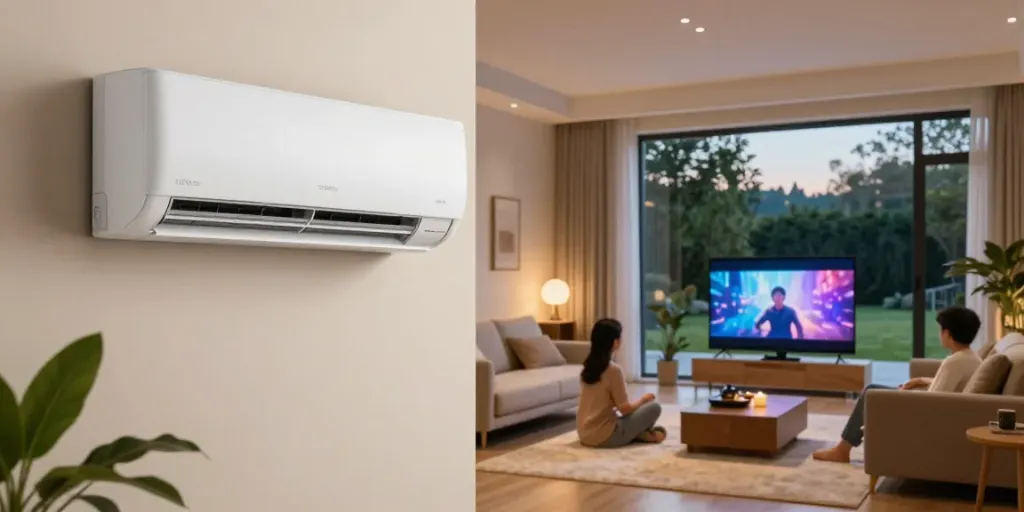
Understanding the 12000 BTU Mini Split System
If you're considering upgrading your home's heating and cooling systems, the 12000 BTU mini split system might be the perfect solution. These compact, energy-efficient units offer both air conditioning and heating without the need for bulky ductwork, making them ideal for various spaces, from urban apartments to rural homes. As of 2026, these systems are more popular than ever due to their versatility, affordability, and technological advancements. When exploring options, 12000 btu mini split systems provide comprehensive insights on the benefits and features these units offer.
What is a Mini Split System?
A mini split system consists of two main components: an outdoor compressor/condenser and an indoor air handling unit. Unlike traditional HVAC systems that rely on ductwork to distribute air, mini splits utilize a direct refrigerant line that connects these two parts. This design enables them to provide both heating and cooling efficiently, offering homeowners control over their indoor climate without the overhead of duct installation.
Key Features of 12000 BTU Mini Splits
- Dual Functionality: The ability to cool and heat makes mini splits versatile for year-round comfort.
- Energy Efficiency: With Seasonal Energy Efficiency Ratios (SEER) often exceeding 20, these units consume less energy than traditional systems.
- Zone Control: This feature allows for different rooms or zones to be maintained at varying temperatures according to personal preferences.
- Quiet Operation: Many models run quietly, making them suitable for bedrooms and living areas.
Benefits of Ductless Mini Splits for Your Home
Investing in a ductless mini split system can lead to numerous advantages, including:
- Space Saving: The compact design of the indoor unit allows for greater flexibility in installation.
- Improved Air Quality: Ductless systems commonly feature advanced filtering options, which can help reduce allergens and dust.
- Greater Control: Homeowners can adjust the temperature of individual rooms or zones, optimizing energy savings and comfort.
- Easy Installation: Compared to traditional systems, mini splits are simpler to install, often requiring only a three-inch hole for the refrigerant line.
Choosing the Right 12000 BTU Mini Split for Your Needs
Factors to Consider: Room Size and Insulation
When selecting a 12000 BTU mini split, consider the size of the space you intend to cool or heat. Generally, one ton (or 12000 BTUs) is adequate for spaces up to 550 square feet, provided they are well-insulated. Assessing your room's insulation levels, sun exposure, and ceiling height is crucial to ensure optimal performance from your mini split.
Energy Efficiency Ratings Explained
Understanding energy efficiency ratings can guide your purchasing decisions. Look for models with high SEER ratings, typically above 16, as these units provide more cooling per unit of electricity consumed. Additionally, the Heating Seasonal Performance Factor (HSPF) can help gauge efficiency when heating. A combination of high SEER and HSPF ratings ensures that your mini split functions efficiently across varying temperatures, saving you money in energy costs.
Comparing Brands: What to Look For
Several reputable brands manufacture 12000 BTU mini splits, including Mitsubishi, Fujitsu, and Daikin. When comparing models, consider factors such as warranty length, customer reviews, and after-sales service. Additionally, research the availability of replacement parts and the ease of accessing customer support to ensure a positive long-term experience with your system.
Installation Process for Your 12000 BTU Mini Split
DIY vs Professional Installation: Pros and Cons
Installing a mini split system can be performed by a skilled DIYer or a professional. DIY installation can save you money but requires technical knowledge, especially regarding electrical wiring and refrigerant handling. Alternatively, hiring professionals ensures compliance with local building codes and often comes with warranties on labor, reducing potential future costs.
Step-by-Step Guide to Installing a Mini Split
- Choose an Installation Location: Select a spot for the indoor unit that allows for efficient airflow and access to an exterior wall.
- Mount the Indoor Unit: Install the mounting plate on the wall, ensuring it is level, and then attach the indoor unit.
- Drill a Hole for the Refrigerant Line: Drill a hole through the wall for the refrigerant lines and electrical wire.
- Connect the Lines: Connect the refrigerant lines and electrical connections according to the manufacturer’s instructions.
- Install the Outdoor Unit: Position the condenser outside, ensuring adequate airflow and accessibility for maintenance.
- Test the System: Turn on the power and check for leaks or issues, ensuring everything is functioning as intended.
Common Mistakes to Avoid During Installation
To ensure success, avoid common installation mistakes such as:
- Ignoring local building codes and regulations, which can lead to fines or forced removal.
- Improper sizing or placement of the indoor or outdoor units, which can affect efficiency and comfort.
- Neglecting to vacuum the refrigerant lines before charging them, which can lead to system failure.
Maintaining Your 12000 BTU Mini Split System
Routine Maintenance Tips for Longevity
Regular maintenance is essential to maximize the lifespan and performance of your mini split. Ensure you clean or replace the filters every few months, check for any signs of leaks, and schedule annual professional servicing to catch potential issues early. Regularly cleaning the outdoor unit of debris will also help maintain optimal efficiency.
Troubleshooting Common Issues
If your mini split system isn't performing optimally, consider these common issues:
- Unit Not Cooling: Check if the filters are clean, the thermostat is set correctly, and the outdoor unit is obstructed.
- Strange Noises: Unusual sounds may indicate loose components or debris in the fan, requiring immediate attention.
- Leaking Refrigerant: If you notice a refrigerant leak, it’s crucial to call a professional immediately, as handling refrigerants requires specific expertise.
When to Call a Professional for Repairs
If troubleshooting doesn't resolve the issue, consulting a professional is advisable. Instances requiring expert attention include electric faults, significant refrigerant leaks, or any malfunction that the user cannot safely diagnose or repair.
Future Trends and Innovations in Mini Split Technology
What's New in Energy Efficiency for 2026
The future of mini split technology is bright, particularly concerning energy efficiency. Innovations in inverter technology yield units that can modulate their power consumption based on demand, making them more energy-efficient than ever. Look for upcoming models promising higher SEER ratings and improved energy management systems.
Smart Technology: Controlling Your Mini Split Remotely
The integration of smart home technology is transforming mini split systems. Many newer units now come with Wi-Fi connectivity, allowing homeowners to control temperature settings remotely via smartphone apps. This level of control not only enhances comfort but also allows users to manage energy consumption more effectively, ultimately reducing utility bills.
Emerging Brands to Watch in the Mini Split Market
As the demand for energy-efficient heating and cooling solutions rises, several emerging brands are gaining popularity, such as MRCOOL and Senville. These brands often offer unique features at competitive prices, making them worth considering when shopping for a mini split system.
How many sq ft will a 12000 BTU mini split cool?
A 12000 BTU mini split generally cools spaces up to 550 square feet, depending on insulation and local climate. Proper assessment of room size and conditions is essential for effective cooling.
What are the disadvantages of a 12000 BTU mini split?
Some disadvantages include higher upfront costs compared to window units, the complexity of installation if done as a DIY project, and potential issues if not properly maintained. Additionally, if incorrectly sized for a space, it can lead to inefficiencies.
What size breaker do I need for a 12,000 BTU mini split?
A typical 12000 BTU mini split system usually requires a dedicated circuit breaker of 15-20 amps, depending on the model and manufacturer specifications. Always consult your unit’s manual for precise requirements.
Why is my electric bill so high with mini split?
High electricity bills may result from improper sizing, lack of maintenance, or inefficient usage patterns. Ensuring your system is the right size for your space and performing regular maintenance can help mitigate these costs.